

You pull the eczema cream out of your bag, apply it and hope for relief. This is the daily habit of millions of people.
But there is one thing that most people do not bother to ask themselves, what exactly is in that cream? But why wouldn't it be that you're not even realizing that the eczema cream side effects are leading to new issues?
It's not just a little thing called eczema. It causes skin to be red, cracked, dry and itchy. Shows up on babies, teens and adults! When it actually is a flare that hits, you want relief quickly.
Unfortunately, not all creams are safe as they appear on the shelf. There are ingredients that may cause problems with extended use or reaction to the ingredients over time — particularly with long-term use. Here's a handy guide that explains it all, in simple terms. No jargon, no scares — just straight and to the point, information you can use to make decisions about your skin.
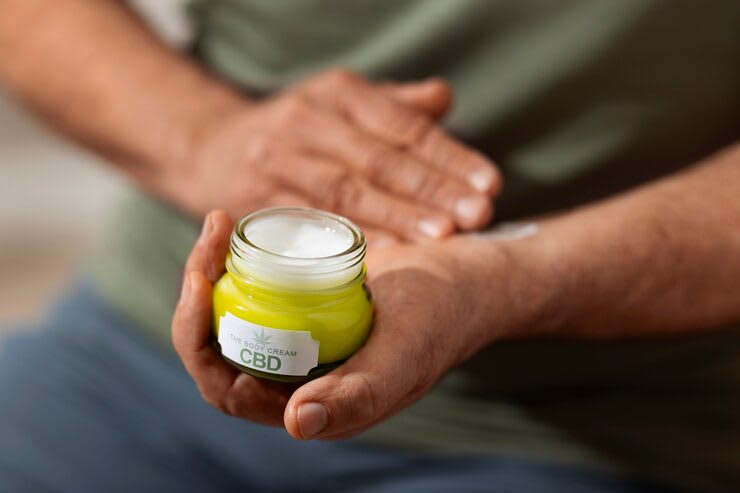
What Are Eczema Creams and How Do They Work?53Please respect copyright.PENANAnrRI3LZ6p4
The skin is the target of eczema creams. Their role is to soothe, replenish and preserve the skin's barrier.
- There are a couple of different types to know about.
- Moisturizers (emollients) keep the skin soft and hydrated. They do not treat eczema directly but help prevent flares by keeping the skin barrier healthy.
- The creams thatwe are prescribed on have steroids in them. Steroids in these creams are called hydrocortisone, they calm down any immune responses within your skin, therefore reducing inflammation and redness.
- Prescription creams take it to a new level. Some soothe the itch-inflammation cycle by using ingredients known as calcineurin inhibitors which affect the immune system.
Over-the-counter options are easy to pick up. Easy to obtain does not, however, necessarily mean it is safe for you. Skin is as individual as we are, and reacts to treatment individually.
Common Ingredients Found in Eczema Creams53Please respect copyright.PENANAkuoDoVWQvM
Flip over any eczema cream and the ingredient list can look like a science textbook. Here is what to actually look for:
Hydrocortisone — A mild steroid that calms the redness and itching fairly fast. It tends to work best in the short term, but prolonged use can lead to skin thinning, and that’s not great.
Ceramides — Natural fats that help repair and protect the skin barrier. Generally gentle and well-tolerated.
Fragrances — Added for scent, but one of the most common triggers for skin reactions. Not necessary in a medical cream.
Parabens — Preservatives are used to extend the shelf life, kind of thing. Some people are sensitive to them , and the research about long-term impacts is still ongoing, though.
Lanolin — It comes from sheep wool and is used to soften skin, sort of natural sounding, right but in practice it can trigger allergic reactions in more people than you might think.
Petroleum jelly — Thick and protective, it seals in moisture and is rarely irritating.
Knowing these ingredients helps you read labels with confidence — and spot trouble before it starts.
What You Should Know About Eczema Cream Side Effects
The majority of us believe that those creams bought on the chemist's shelves that are on sale for the purposes of alleviating eczema are totally safe for usage. This is certainly not so.
Monitoring typical side effects of eczema creams could mean an even bigger win for your skin.
With over use of the creams the skin thins, and can then bruise more easily and heal slowly particularly on sensitive skin areas such as eyelids, skin folds, and on the face.
Contact dermatitis is when your skin has an adverse reaction to an ingredient. Redness, swelling or even small blisters that can appear very similar to eczema occur-it's not a great combination!
Burning or stinging after applying a cream is a warning sign. It sometimes passes, but if it keeps happening, something in that formula is not agreeing with your skin.
Rebound flares catch many people off guard. You stop using a steroid cream after weeks of use and suddenly the eczema comes back harder than before. It is a known risk of prolonged steroid use.
Absorption into the bloodstream sounds alarming, but it mainly applies to strong prescription creams used over large areas of skin — particularly in children. Still, it is worth knowing about.
Another brand that is frequently recommended is CeraVe; all their products are based on ceramides and are fragranice free as well as gentle. Even mild products can cause reactions in some people however.53Please respect copyright.PENANAIoLMbVANoZ
When Is It Time to See a Doctor?
Using a cream for a week or two without results is one thing. But some signs mean it is time to stop and get professional eyes on your skin.
See a doctor if:
- Your skin shows no improvement after 3 to 4 weeks of regular use
- The redness or itching is getting worse, not better
- You notice the skin looking thinner or feeling more fragile than before
- New blisters, swelling, or rashes appear after starting a cream
- You are applying steroid creams on a child regularly without medical guidance
A dermatologist — a doctor who specializes in skin — can run allergy patch tests, identify what is triggering your reactions, and put together a treatment plan that actually fits your skin.
Do not wait until the problem gets bigger. Skin issues caught early are always easier to treat.
Conclusion: Know What You Are Putting on Your Skin
Eczema creams can be a true relief. If applied at the right time and for the right duration they work marvelously.
However they aren't all created equal, nor is your skin one-fits-all.
Read labels before you buy. In the first few days observe how your skin reacts. Avoid products with strong perfumes and unnecessary preservatives, also if you use a steroid cream use it according to how it was prescribed.
Your skin works hard every day to protect you. Give it the same attention in return. When something feels off, trust that instinct and talk to a professional.53Please respect copyright.PENANAybNbdVWea9


 and then Add to home screen.